If you own short-term rentals (STR) in Mexico, your contracts are in Spanish — and you need to understand every word.
New tax regulations are reshaping the market. Platform income is now reported directly to the government. Local permits are becoming mandatory. And most of the paperwork behind your property is written in a language that isn't yours.
Certified translation is no longer optional. It's how you stay protected, compliant, and in control.
Get your contracts translated now.

Mexico's STR sector grew fast. Regulators are catching up.
The Servicio de Administración Tributaria (SAT) — Mexico's federal tax authority — now requires platforms like Airbnb to report host income directly. Municipalities from Cancun to Mexico City to San Miguel de Allende to Puerto Vallarta are rolling out local registration requirements, occupancy taxes, and operating permits.
For foreign property owners, none of this is optional. Non-compliance brings financial penalties and, in some cases, forced delisting from rental platforms.
Don't wait until a penalty forces your hand.
Airbnb is legally required to withhold taxes and report income on behalf of Mexican hosts. Every payment you receive through the platform is already visible to SAT.
Vacation rental operators who haven't yet registered with SAT — or obtained an RFC (Registro Federal de Contribuyentes), i.e., Mexico's Tax ID — are particularly exposed.
Local requirements are also multiplying. Tourism licenses, neighborhood permits, and condominium use certificates are becoming standard across popular rental markets.
And almost all these documents are in Spanish.
Most foreign owners sign platform agreements, management contracts, and rental terms without fully understanding the obligations inside. That's where translation stops being a formality and starts being a necessity.

Operating holiday rentals or furnished rentals in Mexico generates a significant volume of legal documentation.
Each document carries binding obligations. Each one may need to be translated — for your own understanding, for use with foreign legal counsel, or for submission in legal proceedings outside Mexico.
Common documents that require translation include:
If you ever need to dispute a charge, enforce a contract, or file documentation to a foreign authority — you'll need translations that are accurate, complete, and legally certified.
Whether you offer nightly rentals through a platform or manage temporary rentals under a private arrangement, Mexican law treats income from short stays as taxable.
The legal term used in Mexican municipal codes is arrendamiento transitorio — transient rentals. It covers any property let for periods shorter than those governed by standard residential lease law.
Mexico City enacted STR-specific regulations in recent years, requiring mandatory registration with the Secretaría de Turismo and compliance with condominium association rules. Other major cities are following suit.
If you're operating without registration, without income declarations, or without proper permits, your exposure is growing. Platforms are now sharing data with local and federal authorities.
Understanding your obligations starts with understanding your documents. Translation isn't bureaucratic paperwork. It's a core part of staying compliant.
The typical foreign owner of vacation rentals in Mexico are American or Canadian citizens who bought property as a retirement plan, a lifestyle investment, or both.
Many went through the buying process with a bilingual agent. Once the deal closed, they were largely on their own — a stack of Spanish-language documents and no one to explain what was in them.
Think about what most foreign owners have signed:
In most cases, these documents were explained verbally at signing and then filed away. What they really say — the payment terms, liability clauses, termination conditions, renewal requirements — is often a mystery.
These documents govern your property, your income, and your legal exposure. Understanding them fully, in your own language, isn't a luxury. It's basic due diligence.

Most foreign buyers rely on a bilingual agent during the "honeymoon phase" of the closing. But once the deal is signed, that support often vanishes-leaving you alone with a stack of Spanish-language documents and no clear path forward.
Ownership in the "Restricted Zone" (coastlines and borders) is held through a Fideicomiso (bank trust) or a Mexican corporation. These are not just one-time fees; they are complex legal structures that generate dense documentation from day one. You aren't just buying a house; you are entering a multi-decade legal relationship with a Mexican financial institution.
Essential documents you will encounter (and must understand):
The struggle doesn't end at the Notary's office. To actually live in, manage, or rent your property, you must navigate Mexico's municipal maze.
Transferring the CFE (Electricity) account to your name, registering with the local water authority, and obtaining your RFC from SAT are mandatory steps that require submitting original Spanish documents and signed forms in person.
Most foreign owners sign these "standard" service contracts without realizing they are agreeing to specific liability clauses, automatic renewal terms, or strict disconnecting conditions. In the eyes of Mexican authorities, "I didn't understand the language" is never a valid legal defense for non-compliance. Understanding what you've signed is the only way to stay in control.
When foreign owners decide to sell their Mexico vacation homes, beach rentals, or villas, the document requirements multiply.
Your foreign legal counsel, your US or Canadian accountant, and — where applicable — immigration authorities will all need translated versions of your Mexican property records.
Documents typically required in translation for a property sale include:
Each of these must be accurately translated before your advisors can review them, before tax filings can be completed, and — in some cases — before consular submissions can be processed.
A mistranslated clause in a deed can derail a closing. Precision isn't optional — it's the whole point.
Request your certified translation quote today. Ab Aeterno responds within 24 hours and handles real estate documentation with the precision your transaction demands — trusted by foreign property owners in Mexico since 2005.
Get a quote now.
A certified translation is a translation accompanied by a signed statement from the expert translator affirming its accuracy and completeness.
In Mexico, court-certified translators are officially recognized by the Superior Court of Justice and authorized to attest documents for use in legal proceedings. This field demands more than linguistic skills — it requires deep command of both legal systems involved.
Certified translation is required for:
Standard translation is appropriate for:
If you're not sure which you need, certification is always the safer choice.
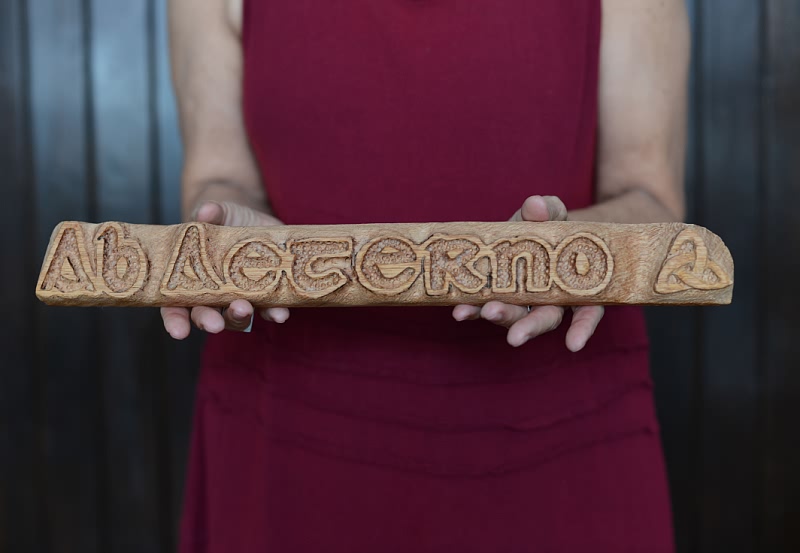
Ab Aeterno has been delivering court-certified legal and real estate translation in Mexico for over 20 years.
Our team combines linguistic expertise with command of Mexican legal frameworks. We handle real estate deeds, property trust agreements, SAT documentation, management contracts, and the full range of documents that foreign property owners encounter.
Emergency turnaround is available for urgent closings and time-sensitive filings.
Visit our profile page to learn more about our credentials and guidance on navigating legal documentation in Mexico.
Whether you manage short-term rentals or are ready to sell — Ab Aeterno is your certified translation partner in Mexico.
Let's get started. Message us on WhatsApp — we'll handle the rest.
 Location