A poorly translated technical manual can confuse users, lead to operational mistakes, interrupt workflows, and, in certain contexts, compromise safety. That is why technical manual translation services require more than language fluency.
They require precise terminology, technical judgment, and the ability to adapt each instruction to the right user.
At Ab Aeterno , we translate software manuals, user manuals, and machinery manuals for companies that need clear, consistent, and reliable technical documentation.
Need to translate a technical manual? Send us your file and we will review the project with you from the start.

Not all manuals serve the same purpose, and they should not all be translated the same way. We work with a wide range of technical documentation, including user manuals, software manuals, operating and installation manuals, maintenance manuals, machinery manuals, quick guides and technical instructions, internal procedures, and supporting technical documentation.
Before translating, we review what the document needs to accomplish and who will use it. That shapes the entire approach. Instead of applying a generic process, we define the technical level, terminology, and functional tone each manual requires so the content is clear, useful, and safe in its real context of use.
Literal translation can transfer words. It does not always transfer function. In a technical manual, that difference has real consequences. Every instruction must be clear, accurate, and useful in the target context, following established principles of information for use.
Strong technical manual translation services focus on:
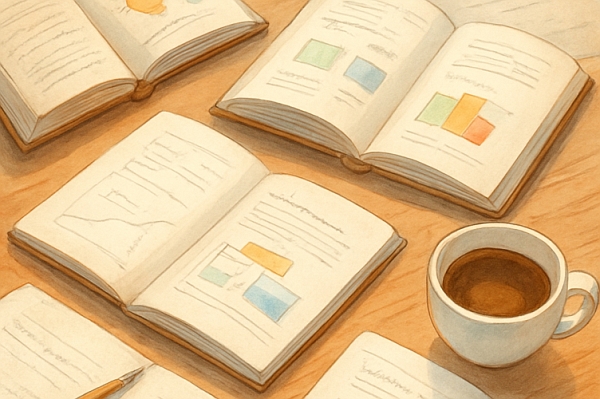
Software manual translation is typically intended for end users or technical users who are not necessarily specialists.
The goal is to make it easier to learn and use an application, platform, or system correctly.
The quality of the translation can directly affect product adoption, user confidence, and the workload of the support team.
In this type of documentation, usability is the priority. Users should be able to follow each step without effort. To make that possible, the language needs to be clear, direct, and natural.
We pay close attention to buttons, menus, modules, navigation paths, features, system messages, labels, commands, and contextual help. In software documentation, if an element appears with one name in the manual and a different name in the interface, the process loses clarity immediately.
In software, unstable terminology creates confusion. If a term changes between sections without reason, the user hesitates. If the manual refers to a feature differently than the interface does, the instruction becomes less useful.
That is why we work with glossaries, translation memories, and CAT (Computer-Assisted Translation) tools to maintain consistency across product versions and reduce errors in future updates. This approach is especially valuable for platforms, apps, and internal systems that evolve over time.
If your manual supports a platform, app, or internal system, we can review your existing terminology and adapt the content to the language your users actually see.
Machinery manual translation — and industrial manual translation in general — follows a very different logic. These documents are typically intended for specialized technicians, engineers, or industrial maintenance teams. Here, the priority is not just usability. It is technical accuracy.
This type of documentation often includes assembly procedures, inspection sequences, preventive maintenance, technical adjustments, review protocols, safety warnings, and component specifications. It is not enough for the text to sound natural. It must be exact and unambiguous.
We pay close attention to technical terminology, part names, tools, diagrams, symbols, tables, legends, step numbering, units of measurement, and critical warnings.
In machinery documentation, a mistranslated term — a misread torque value, the wrong lubricant type, a confused component — can quickly lead to incorrect repairs, operational failures, or real safety risks.
When the project requires it, we also handle adaptation, including Mexican Official Standards (NOM), units of measurement, technical standards, and local terminology for the target market.
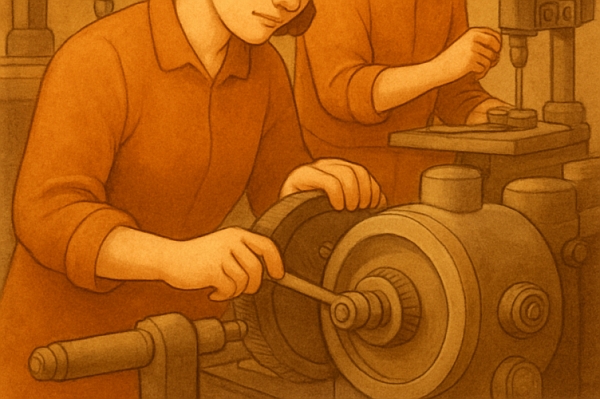
Although both fall under technical translation, they do not require the same approach or the same quality criteria.
| Aspect | Software manuals | Machinery manuals |
| User | End user or basic technical user | Specialized technician or engineer |
| Goal | Learn how to use a system | Operate, maintain, or repair equipment |
| Language | Clear, simple, and natural | Exact, technical, and stable |
| Error risk | Usability and adoption issues | Operational failures or accidents |
| Priority | Usability | Safety and precision |
Before we begin, we analyze the factors that shape the translation strategy:
Consistency is one of the foundations of reliable technical document translation. We work with documentation where a single ambiguous instruction can affect operations, support, and safety.
That is why we use tools and criteria that keep the document stable throughout its entire lifecycle:
This is especially valuable for recurring projects, version updates, and multiproduct documentation, where consistency protects both the user experience and the company's reputation.
High-quality technical translation does more than improve wording. It helps prevent specific problems with real operational and financial impact:
We keep the process clear and straightforward from the first exchange:
We are a team of professional translators with twenty years of experience. Every project is handled directly by our specialized team — no middlemen, personalized solutions, and clear pricing from the start. We offer certified translation and handle urgent requests.
A well-translated manual helps users operate a system correctly, maintain equipment properly, and in many cases avoid errors, risks, and costs that can escalate quickly.
That is why technical manual translation is not just a language service — it is a decision that protects the user experience and the company's reputation.
Because good technical translation does not just convey information: it ensures that information works. Most of the projects we receive involve English to Spanish translation — from imported equipment manuals to technical documentation from international suppliers, including companies that also require certified document translation as part of their operations in Mexico.
If you need to translate a software manual, machinery manual, or user manual, send us your file and we will guide you on scope, timing, and delivery format.
 Location